
A Little Less Sugar Can Go a Long Way

Children are eating too much sugar; why should we, as parents, be concerned?
Our children’s diets are a major contributor to tooth decay. Did you know tooth decay is the most common reason children aged 5 to 9 are admitted to hospital? Furthermore, we are seeing increasing numbers of children living with obesity in Year 6. Too much sugar in our children’s diets can contribute to excess weight gain. This is because it’s very easy to consume large quantities of sugary foods, meaning they eat more calories than they need, leading to weight gain.
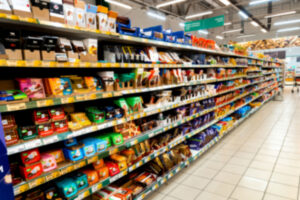 Children between 4 and 10 are eating more than double their maximum recommended amount of sugar. Tooth decay and rising obesity levels in children have one overlapping culprit: too much sugar. This is why it is sensible to consider how we can reduce the sugar in our children’s diets.
How much sugar can children have?
The NHS recommends that children aged 4 to 6 have up to 19 g of free sugars a day. This looks like 5 sugar cubes a day. Children aged 7 to 10 can have up to 24 g of free sugar a day, around 6 sugar cubes.
Do I need to worry about all sugars?
No, we’re not worried about the sugars naturally found in foods such as whole or chopped fruit and vegetables. Sugars to look out for are the ‘free sugars’. These are any sugars that are added to foods, for example, cereal bars. Free sugars are also in different syrups such as honey, agave and maple syrup. Keep in mind that when fruits and vegetables are blended, the sugars are released, meaning they become free sugars, such as juices, smoothies and purees.
What’s happening with kids snacking now?
We see that 79% of young people have two or more snacks in a day. The most common snacks in order of popularity were:
- Crisps
- Fresh fruit
- Biscuits and chocolate
- Sweets
The average portion of salted crisps doesn’t contain high levels of sugar. Crisps do, however, have high fat and moderate salt content, so they aren’t a healthy snack option either.
When it comes to biscuits, the average across 3 popular brands, one biscuit contains 5.1g of sugar. When we look at 3 popular chocolate bar brands, the average sugar per serving size is a shocking 17.5g. This shows how easily a child can exceed the sugar recommendation by having one chocolate bar and a few biscuits a day. Even foods marketed as ‘healthier ’, such as cereal bars, can contain up to 12g of sugar. This is around 3 cubes. Keep in mind that snacks are consumed along with the other 3 meals in the day, which also contain varying amounts of sugar. So, it’s important to keep the sugar in snacking as low as possible.
So, what can we do?
 We can reduce the sugar in our children’s snacks. Reducing sugary snacks will also make room for more nutrient-dense snacks. The NHS recommends making lower-sugar snacks at home.
Some ideas from the NHS are:
- Plain yoghurt and fruit
- Carrot sticks and low-fat hummus
- Crackers with cheese and tomatoes
- Fruit kebabs
Some quick options from supermarkets:
- Low-fat and low-sugar fromage frais
- A crumpet and sliced banana
- Bread sticks and dip
If you are feeling creative and want to get into the kitchen, the recipes section of The World’s Healthiest Afternoon Tea has many healthy and child-friendly snack recipes.
Tips:
- Pack snacks for when you are out and about and the kids get hungry, i.e. half a sandwich, pitta and hummus, a banana or an apple.
- Nuts and seeds are easy snacks that keep well (just be mindful that they are high in energy).
- Use different coloured fruit to entice children.
- Get creative in the kitchen with healthier recipes.
Summary:
We need to reduce the sugar in our children’s diets. Go for homemade low-sugar snacks, low-sugar supermarket options or have a go at some healthy home bakes. Focus on including more whole or chopped fruit and vegetables as snacks.
Written by Jemma Higgins, Student Dietitian, University College London
Checked by Susan Burry, Registered Dietitian, Dr Rana Conway, Registered Nutritionist, and Kathy Lewis, Registered Nutritionist
© 2026 The Caroline Walker Trust