
Making biscuits healthier: 3 ways to cut the sugar
Biscuits remain a highly popular snack in the UK. Over 90% of adults eat biscuits on a regular basis, according to a YouGov survey, with the milk chocolate digestive on top as the country’s favourite.
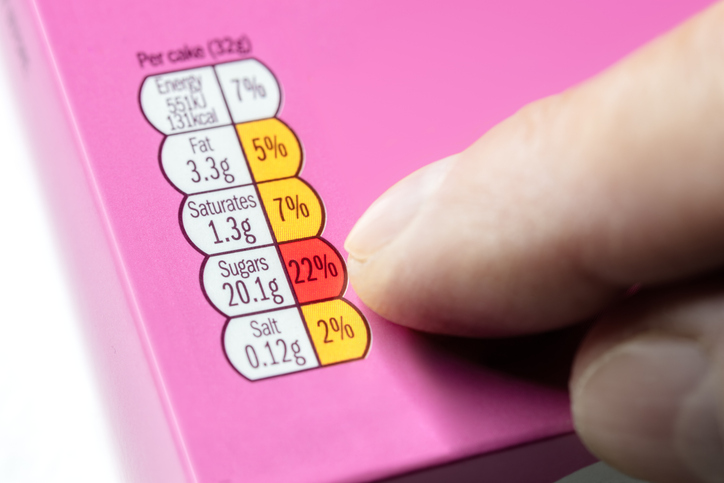
They may be delicious, but this snack isn’t always the healthiest snack option. If you’ve ever looked at the nutritional information on biscuits in the supermarket, you’ve noticed the sugar content often falls into the amber or red categories.
 Biscuits like shortbread, flapjack or even the beloved digestive all contain a high quantity of “free sugars” that are linked to poor health outcomes when consumed in excess.
But what if we told you that you can make your own biscuits at home, healthily and easily? In this article, we’ll share three ways to reduce the sugar content in homemade biscuit recipes.
What are free sugars and why reduce them?
Free sugars are sugars that are added to food and drink, or naturally occurring in honey, syrups, purees and fruit juices. These sugars are often added to foods not only to help them taste better, but also to extend shelf life.
Foods that are high in free sugar may add extra unnecessary calories to your diet, which can lead to overweight and obesity. Consuming too much free sugar can also cause tooth decay. Bacteria naturally present in your mouth feed on the sugar, creating an acidic environment that erodes tooth enamel.
It is normal to have some free sugar in your diet, but moderation is key. The UK Scientific Advisory Committee on Nutrition (SACN) recommends that adults and children have no more than 5% of their daily calorie intake from free sugars. This is equivalent to no more than 19 g for 4-6 year-olds, 24 g for 7-10 year-olds and 30 g for children over 11 years old. Fewer than 1 in 10 children meet this recommendation, with free sugar accounting for 10.5% of daily calorie intake on average.
How to reduce the amount of sugar in homemade biscuits
1. Cut sugar by a quarter
When making your own homemade biscuits, you’d be surprised how easy it is to cut the sugar content. As a rule of thumb, you can reduce the amount of granulated sugar in the recipe by about a quarter without compromising much on taste or texture at all. Try taking any traditional biscuit recipe and multiply the quantity of sugar by 0.75. For example, if a recipe calls for 40 g of sugar, use 30g (40 g multiplied by 0.75 equals 30 g).
2. Sugar Alternatives
You can reduce the free sugar content of any recipe whilst retaining sweetness and flavour by reducing sugar and adding other ingredients like dried fruit, vanilla extract, or spices like cinnamon or anise. Look for recipes that favour fruit and spices to create a sense of sweetness rather than granulated sugar. For a great place to start, check out many such recipes on the Caroline Walker Trust’s World Healthiest Afternoon Tea website here.
3. Think outside of the box
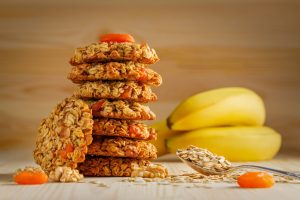 Lastly, there is a whole world of biscuits to enjoy beyond the traditional definition of a biscuit made with sugar, butter and flour. For example, the Caroline Walker Trust’s Oat, Banana and Apricot Biscuit recipe uses no added sugar at all! The banana and apricots alone provide the sweetness, making these biscuits a delicious snack with a cup of tea, even though they don’t fit the exact definition.
Next time you are looking for a sweet snack, remember how easy it is to make a healthy batch of biscuits at home. Whether you cut the sugar by a quarter, add more fruit and spices, or try recipes beyond traditional biscuits, it is easy to enjoy this snack with less sugar. Visit the World’s Healthiest Afternoon Tea website for lower-sugar recipes and find out more exciting ways to reduce sugar in our favourite biscuit snack.
Written by Jan Corsten, Student Dietitian at University College London
Checked by Susan Burry, Registered Dietitian, Dr Rana Conway, Registered Nutritionist and Kathy Lewis, Registered Nutritionist
© 2026 The Caroline Walker Trust